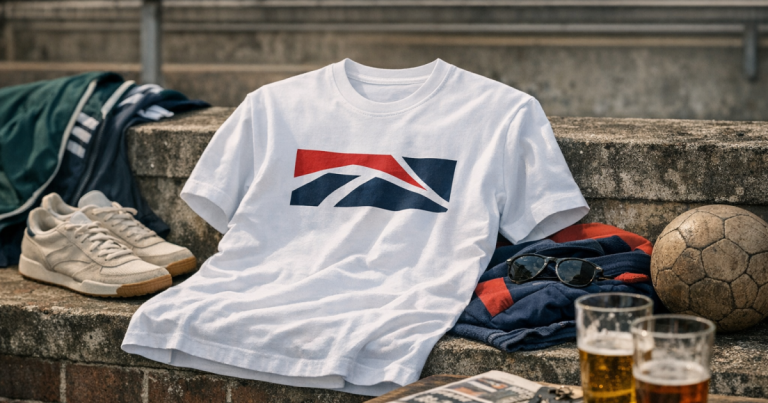
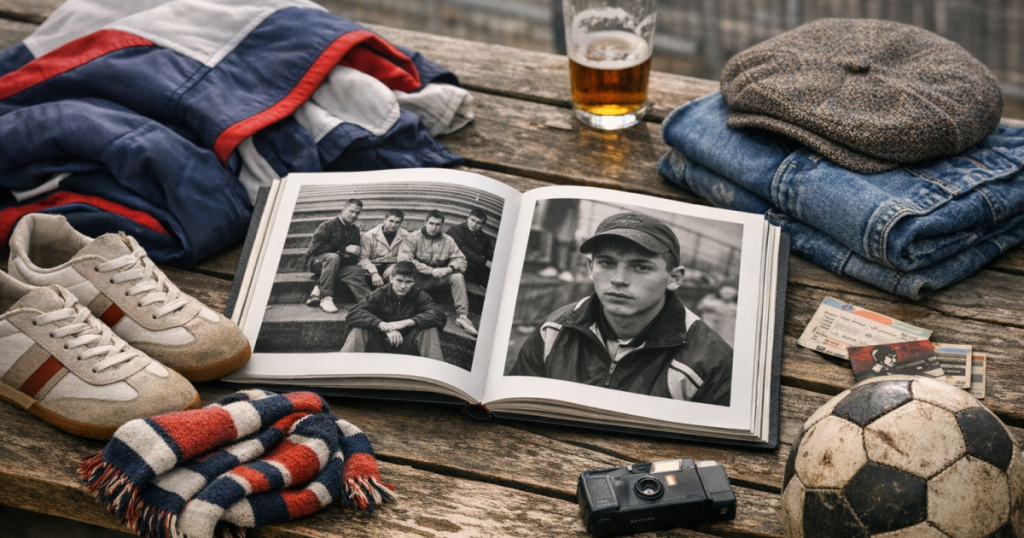
For anyone trying to understand the clothes behind the chants, train journeys and town-centre bravado, this A Casual Look: A Photodiary of the 1980s Casual, Terrace and Football Scene review starts with a simple point: Gavin Watson’s book matters because it shows the scene as lived, not as retrospectively styled. The quick verdict is that it is one of the more useful comparison points for 1980s British casual culture, provided you approach it as documentary evidence rather than a neat outfit manual.
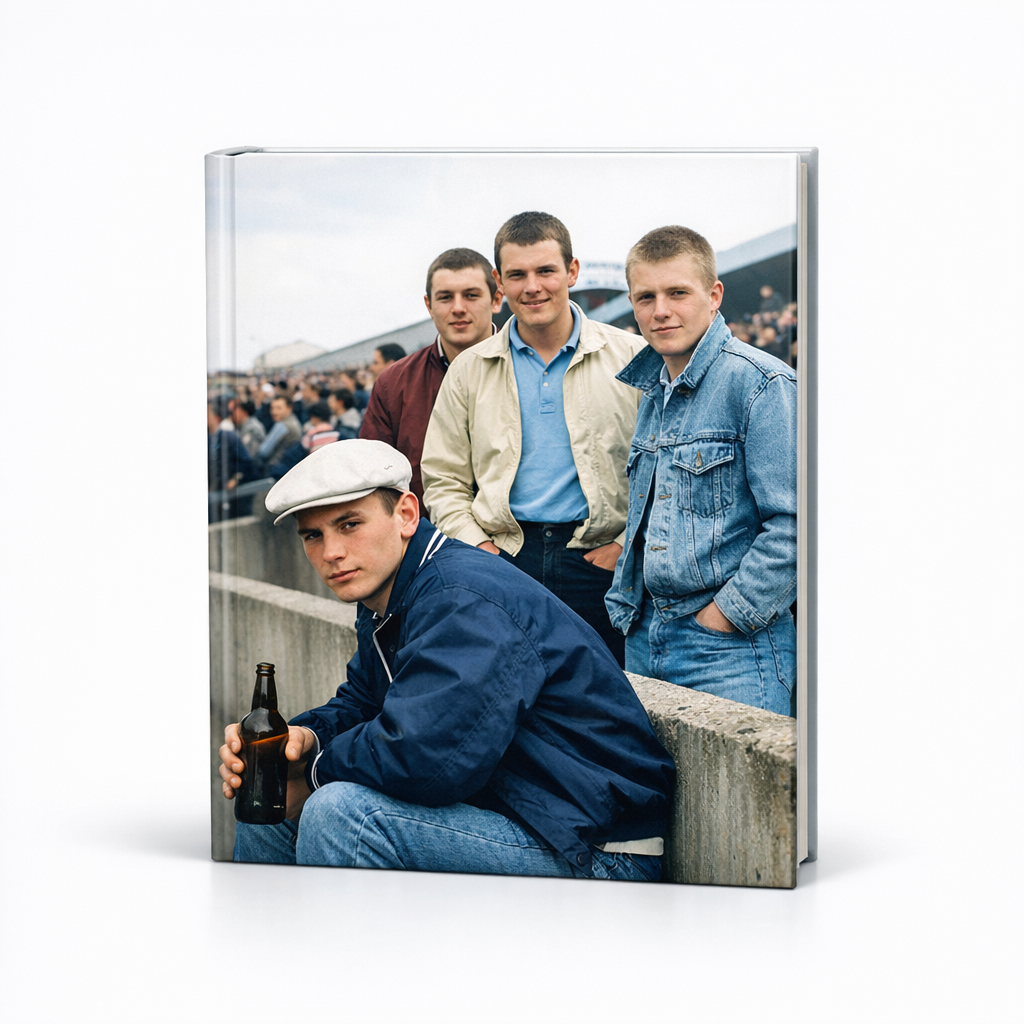
A Casual Look: A Photodiary of the 1980s Casual, Terrace and Football Scene
A standout visual reference for readers who want the real texture of 1980s British casual culture
That distinction matters. A lot of modern terrace dressing is filtered through reissues, Instagram grids and nostalgia edits. This book is messier, more human and more useful for that reason. The value is in faces, postures, haircuts, proportions, jackets, trainers and the confidence of the wearers, rather than in polished brand worship.
Product overview
A Casual Look: A Photodiary of the 1980s Casual, Terrace and Football Scene is a physical photobook by Gavin Watson, centred on the 1980s casual, terrace and football scene. It sits in the overlap between social documentary, subcultural history and menswear reference. For readers of retro tracksuit and terrace style, its appeal is not just that it shows what people wore, but that it shows how those clothes sat in real streets, estates, trains, pubs and matchday moments.
Gavin Watson’s strength is proximity. These are not distant press images taken from the outside of a movement. The book’s power comes from its closeness to the people, places and mood of the period. That makes it especially useful when thinking about what makes sportswear culturally credible. If you are interested in that wider question, our piece on what gives a retro tracksuit brand historical credibility is a natural companion read.
As a review item, this is not comparable to a track top where you judge fit, fabric weight and cuffs. The performance here is about reference value, image quality, editorial coherence and whether the book helps you understand the scene beyond received stereotypes. On those terms, it is a strong buy for the right reader.
Key specs
- Product type: physical book and photodiary.
- Creator: Gavin Watson.
- Subject: 1980s casual, terrace and football scene in Britain.
- Best use: visual reference, cultural context, collecting, style research and subcultural reading.
- Before buying: verify the edition, format, condition, seller description and current availability, particularly if buying second-hand or as a collector’s copy.
- Not a substitute for: a modern styling guide, brand catalogue or simple shopping checklist.
Pros and cons
Pros
- Authentic visual atmosphere: the book captures the texture of the period without making the subjects look like costume references.
- Useful for terrace style research: it helps readers understand how sportswear, denim, knitwear, trainers and outerwear worked together in real life.
- Strong cultural value: the images sit within football, youth culture and working-class social history, not just fashion.
- Better than mood-board nostalgia: it rewards close looking, especially if you are trying to separate genuine era detail from modern revival styling.
- Good bookshelf relevance: for anyone collecting casual culture books, it has a clear place beside broader football and British youth culture titles.
Cons
- Not a step-by-step style manual: readers wanting simple outfit formulas may need to do more interpretation.
- Edition and condition matter: buyers should check listings carefully, as format and wear can affect the experience of a photobook.
- Limited product detail: the book is about scenes and people, not labelled garment breakdowns or confirmed brand inventories.
- Can be misread superficially: if you only look for logos, you miss the more important details of fit, attitude and context.
Performance in real use
As a visual reference, the book performs extremely well. The images give you the things that clean modern product shots cannot: how a jacket hangs when someone is leaning against a wall, how trainers look after actual wear, how haircuts and posture change the feel of an outfit, and how social setting affects style. That makes it genuinely useful for anyone trying to wear terrace influence without looking as if they have copied a fancy-dress rack.
The strongest element is documentary credibility. The book does not need to shout about brand heritage because the images do the work. You see why the casual look was never only about owning the right label. It was about timing, place, peer recognition, football allegiance, music taste and local confidence. That is why the book still feels relevant for a modern reader comparing reissue track tops, vintage finds and contemporary archive-inspired sportswear.
For styling research, it is best used slowly. Look past the obvious pieces and study proportions. How relaxed are the jackets? How much room is there through the leg? Are tops worn zipped, open or layered? What happens when a smarter casual item sits next to a sportswear piece? These are the details that help translate the 1980s casual look into something wearable now.
It is less strong if you expect captions to solve every question. A photodiary can imply a lot without spelling everything out. That is not a flaw exactly, but it means the book suits readers who enjoy reading images critically. If you want confirmed garment names, production details or a brand-by-brand chronology, you will need to pair it with other sources.
Condition is also part of the real-use equation. Photobooks depend on print clarity, binding and page quality, so second-hand copies need careful inspection. For a gift or a reference shelf, check seller photos, edition notes and any mention of marks, creasing or loose pages. For reading rather than collecting, a well-kept used copy can still be entirely satisfying, but do not assume all listings are equal.
In value terms, the book earns its keep if you return to it. It is not a one-sitting novelty. The more you understand casual culture, the more useful the images become. A beginner might notice brands and silhouettes; a more seasoned reader starts spotting regional confidence, social codes and the difference between authentic looseness and modern over-styling.
Who it’s best for / who should skip it
This book is best for readers who want the real visual grammar of British casual culture. If you are into adidas Originals, Sergio Tacchini, Fila, Ellesse, Diadora, Lacoste Sport influences, vintage trainers, matchday outerwear or 1980s youth photography, it gives you a grounded reference point. It is also a strong choice for anyone building a small library around football casuals and British street style.
It is particularly useful for people who already own or are considering retro-inspired sportswear. A book like this helps stop modern outfits becoming too polished. It reminds you that terrace style worked because it felt lived in: trainers were worn, jackets had movement, and the best looks often balanced sportswear with ordinary everyday pieces.
You should skip it if you only want a product catalogue, a confirmed list of every garment shown, or a modern “buy this exact outfit” guide. It is also not the cleanest starting point for someone who wants a simple definition of terrace style before exploring the source material. For that reader, a broader explainer may land better first.
Questions people ask
Is it mainly a fashion book or a football culture book?
It is both, but it works best when read as social documentary. The clothes are central, yet the appeal comes from the people, places and football-culture atmosphere around them.
Can it help with modern terrace styling?
Yes, if you use it as a reference for proportion, layering and attitude rather than as a literal shopping list. It helps you avoid overly polished retro dressing.
Is it suitable for someone new to casual culture?
Yes, although beginners may benefit from reading a basic terrace style explainer alongside it. The photographs are accessible, but the deeper codes reward context.
What should I check before buying a copy?
Check the edition, format, condition, seller photographs and whether the listing clearly identifies the book. For a photobook, page condition and binding matter.
Alternatives
If you want a broader written history alongside Gavin Watson’s visual account, The Football Casuals: A History by Cass Pennant is worth considering as a companion rather than a replacement. It gives a different kind of context: more narrative, less photodiary-led, and useful for placing the clothes within the wider football casual story.
For a free next step before buying more books, read our guide to what terrace style means in clothes, culture and matchday codes. It helps frame why books like Gavin Watson’s matter: they show the difference between a look that grew from lived scenes and a modern outfit that merely borrows the surface.
The important point is not to treat alternatives as a hierarchy. This book’s particular strength is photographic immediacy. A written history can explain the movement, but Gavin Watson gives you the faces, streets and physical details that make the clothes feel real.
Verdict + score
A Casual Look: A Photodiary of the 1980s Casual, Terrace and Football Scene is an excellent reference for anyone serious about British casual culture, terrace clothing and the difference between authentic subcultural style and modern nostalgia. It is not the most instructive book if you want labelled outfit recipes, and buyers should check edition and condition carefully, but as a visual document it has rare value. Score: 9.1 out of 10.
Final thoughts
Overall, A Casual Look: A Photodiary of the 1980s Casual, Terrace and Football Scene earns a score of 9.1/10. It is a strong option for readers who want the benefits discussed above, while still being worth comparing against the alternatives before buying.
A Casual Look: A Photodiary of the 1980s Casual, Terrace and Football Scene
A standout visual reference for readers who want the real texture of 1980s British casual culture
You might also like: How Sergio Tacchini Tenniswear Became a British Casuals Staple.