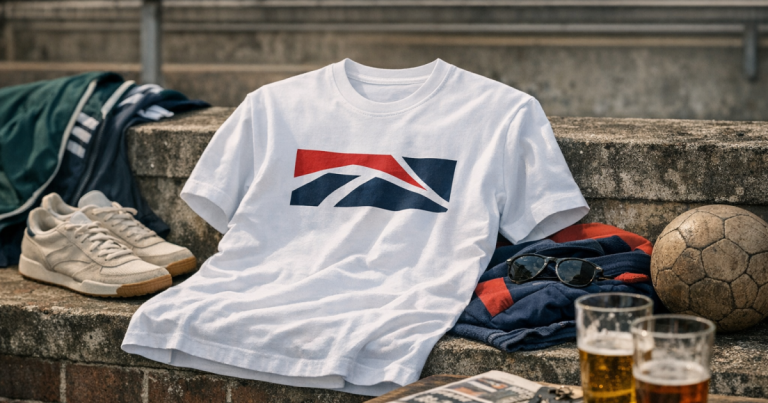
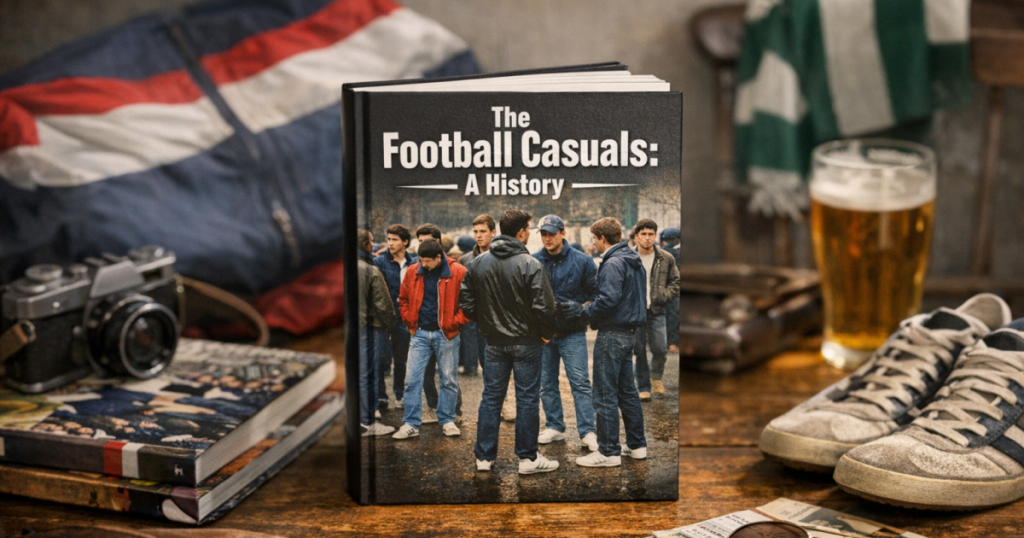
A good terrace-culture book should do more than list labels and legends; The Football Casuals: A History — Cass Pennant review starts with that expectation. For readers who care about why track tops, trainers and polos became signals of belonging in Britain, this is a scene-history title with real relevance beyond nostalgia.
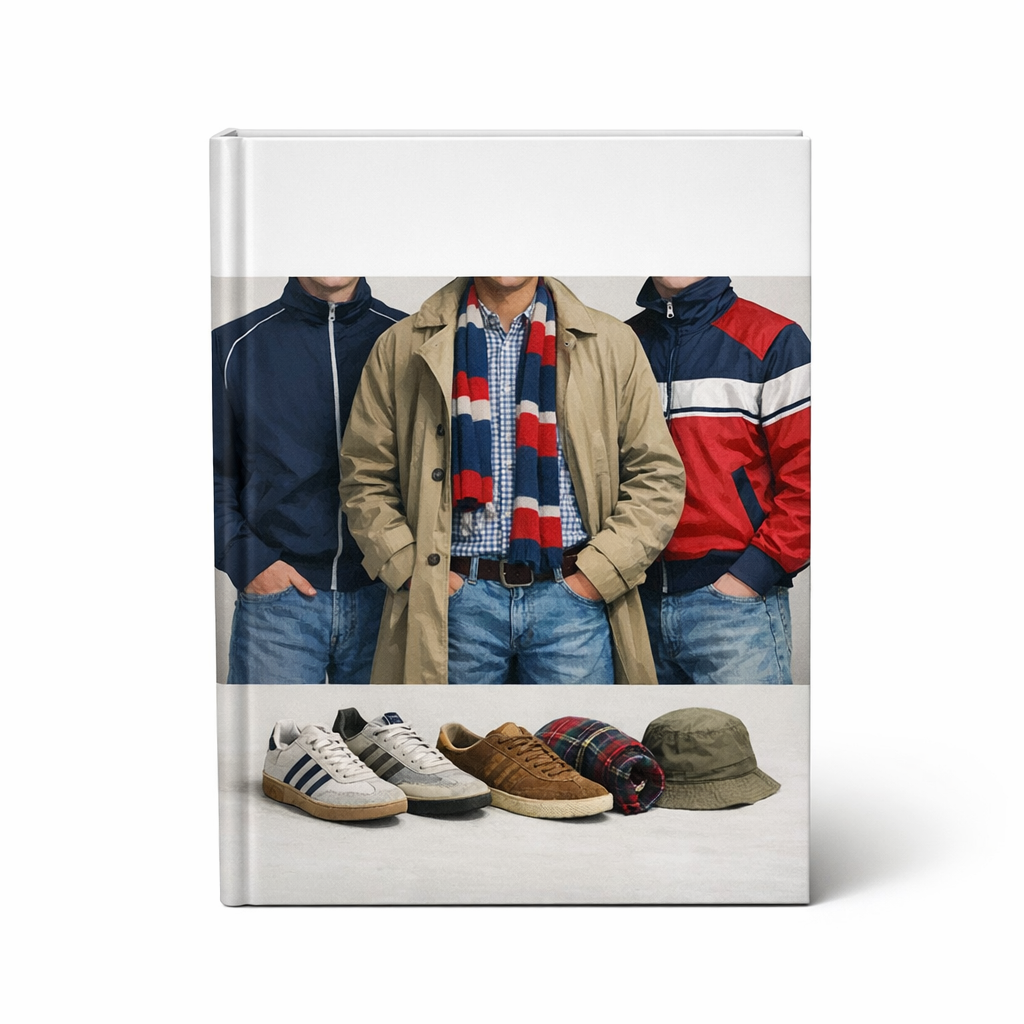
The Football Casuals: A History — Cass Pennant — book — Books on football casual culture, sportswear history, and style
A strong choice for readers who want terrace culture context before buying into the look
Quick verdict: it is a worthwhile read for anyone trying to understand football casual culture as lived identity rather than mood-board styling. It is strongest on atmosphere, social context and attitude, less useful if you want a neat clothing encyclopaedia or a modern shopping manual.
Product overview
The Football Casuals: A History — Cass Pennant is a non-fiction book centred on the rise, meaning and memory of football casual culture. Its value is not simply that it names familiar clothing codes; it helps explain why those codes mattered. In terrace terms, that distinction is important. A Sergio Tacchini track top, a pair of low-profile trainers or a sharp polo only make full sense when you understand the mix of away-day competition, local pride, youth style and status that sat behind them.
Cass Pennant is closely associated with writing on British football culture, identity and the harder edges of the terrace world. That gives the book a voice that feels rooted in the subject rather than detached from it. Readers expecting a museum-style fashion survey may find the tone more direct and scene-led than academic. That is part of the appeal, but also one of the trade-offs.
For this site’s audience, the book works best as background reading before you decide how far you want to lean into the look. It will not tell you which current track top to buy this week, and it should not be treated as a fit guide. What it does offer is a clearer sense of why certain brands, silhouettes and details still carry weight in British casual style.
Key specs
- Full reviewed product: The Football Casuals: A History — Cass Pennant
- Product type: Non-fiction book
- Author: Cass Pennant
- Main subject: British football casual culture, terrace identity, clothing signals and subcultural history
- Best read as: A cultural history and scene primer rather than a clothing catalogue
- Buying checks: Verify the edition, format, seller condition and any listed image content before purchase, especially if buying second-hand
- Reader fit: Best for people interested in football, style history, British subcultures and the roots of terrace sportswear
Pros and cons
Pros
- Strong cultural grounding: The book treats casual culture as a social movement, not just a sequence of desirable labels.
- Useful context for modern style: It helps explain why understated details, colour choices and brand associations still matter.
- Distinctly British perspective: The emphasis feels close to the football grounds, towns, cities and rivalries that shaped the look.
- Good bridge between history and wardrobe decisions: It gives readers a better eye for separating genuine terrace influence from costume dressing.
- Engaging for enthusiasts: The tone suits readers who already have some interest in casual style, football culture or retro sportswear.
Cons
- Not a pure fashion reference book: Readers wanting page-by-page brand timelines, archive product photography or sizing advice may want a different sort of title.
- Perspective-led rather than neutral catalogue: The appeal depends partly on whether you enjoy a voice rooted in the culture itself.
- Condition can matter: If buying a used physical copy, check seller photos, cover condition and page notes carefully.
- May not suit complete outsiders looking for a light introduction: Some readers will get more from it after watching or reading a broader casual-culture overview first.
Performance in real use
As a reading experience, the book works because it gives the clothing a reason to exist. Terrace style is often flattened into a checklist: track top, jeans, trainers, polo, done. This title is better when read as a reminder that those items were tied to confidence, group identity, travel, rivalry and taste. That makes it useful for anyone who wants to wear the influence without turning it into fancy dress.
The most practical benefit is judgement. After reading, you are more likely to notice why a clean track jacket can look sharper than a loud novelty piece, or why a simple polo can feel more authentic than piling on every heritage logo at once. For example, a piece such as the Fred Perry Twin Tipped Polo Shirt makes more sense when viewed through this lens: it is not about shouting for attention, but about recognisable restraint.
The book also helps with proportion. A lot of modern retro sportswear is sold with nostalgia attached, but not every reissue or archive-inspired piece lands in the same way. Reading about the culture behind the clothes gives you a sharper filter when comparing a track top, a trainer or a polo. You start asking better questions: does this piece feel like everyday wear, or does it look like a themed outfit? Is the colour doing the work, or is the branding carrying too much of the look? Would it sit naturally at the pub, on the train or walking into a match-day crowd?
Where the book is less complete is in direct buyer guidance. It is not a modern product review, and it should not be expected to cover current availability, fabric blends, sizing quirks or garment care. If you are buying clothing after reading it, you still need to check current retailer details, measurements, return policies and care labels. That is not a failure of the book; it is simply not what this kind of cultural history is built to do.
It also has a tone that may feel more lived-in than polished. For many readers, that is exactly right. Casual culture was not created in a showroom, and a book about it should not feel too sanitised. But if your preference is for a heavily illustrated design monograph, or a neutral academic text, the voice here may feel narrower than you want.
For value, the decision depends on what you expect from it. If you want context you can return to before building a terrace-inspired wardrobe, it earns its shelf space. If you want a glossy archive of brands such as adidas Originals, Sergio Tacchini, Fila, Ellesse, Diadora and Lacoste Sport, check previews and listings carefully before buying so you know exactly what edition and format you are getting.
Who it’s best for / who should skip it
This book is best for readers who already feel the pull of British terrace style but want the cultural grounding to wear it better. It suits people who have watched football-casual films, browsed vintage track tops, argued over trainers, or wondered why some pieces still feel loaded with meaning decades after they first appeared on the terraces.
It is also a strong fit for anyone building a small sportswear-history shelf. Pairing a book like this with film, photography and product reviews gives a fuller picture: the stories explain the codes, while modern reviews help you decide what is actually wearable now. That mix matters if you want to buy well rather than simply chase nostalgia.
You should skip it if you only want a current shopping guide, a coffee-table image book or a beginner-friendly glossary of every casual brand. It may also be less useful if your interest in retro sportswear is purely aesthetic and you do not want the social history that sits behind it. The book asks you to care about context, not just colour blocking and logos.
Alternatives
If you want a screen-based route into similar territory, The Firm BBC film is a useful companion piece. It presents terrace culture through drama rather than history, so it should not be treated as a documentary source, but it captures the tension, attitude and visual codes that still shape how people imagine the scene.
For readers who want a more image-led angle, Gavin Watson’s A Casual Look: A Photodiary of the 1980s Casual, Terrace and Football Scene is worth comparing. Before buying, check the edition and format so you know how much photography, commentary and physical book quality you are getting.
The choice is straightforward: choose Cass Pennant’s book if you want narrative and cultural explanation; look towards a photodiary if your priority is visual reference for clothing, hair, posture and scene detail.
FAQ
Is The Football Casuals: A History — Cass Pennant a good first book on terrace culture?
Yes, provided you want a scene-led history rather than a tidy fashion manual. It is accessible for interested readers, but it works best if you already have some curiosity about football, British subcultures or casual style.
Does it help with buying retro sportswear today?
Indirectly. It will not give current sizing or availability advice, but it helps you understand which details feel authentic, which looks can become costume-like, and why certain brands became important.
Is it mainly about clothing or football culture?
It sits between the two. Clothing is part of the story, but the wider subject is the culture that made those clothes meaningful on and around the terraces.
Should I buy new or second-hand?
Either can make sense. If buying second-hand in the UK, check the seller’s condition notes, photos, edition details and delivery terms before committing.
Verdict + score
The Football Casuals: A History — Cass Pennant is a strong, culturally grounded read for anyone who wants to understand terrace style beyond the surface. Its biggest strength is context: it gives shape to the attitude, rivalry and taste that turned sportswear into a language. It is not the book to buy if you want a glossy archive catalogue or a direct modern wardrobe guide, but it is absolutely useful if you want your buying and styling decisions to have a bit more sense behind them. Score: 8.9/10.
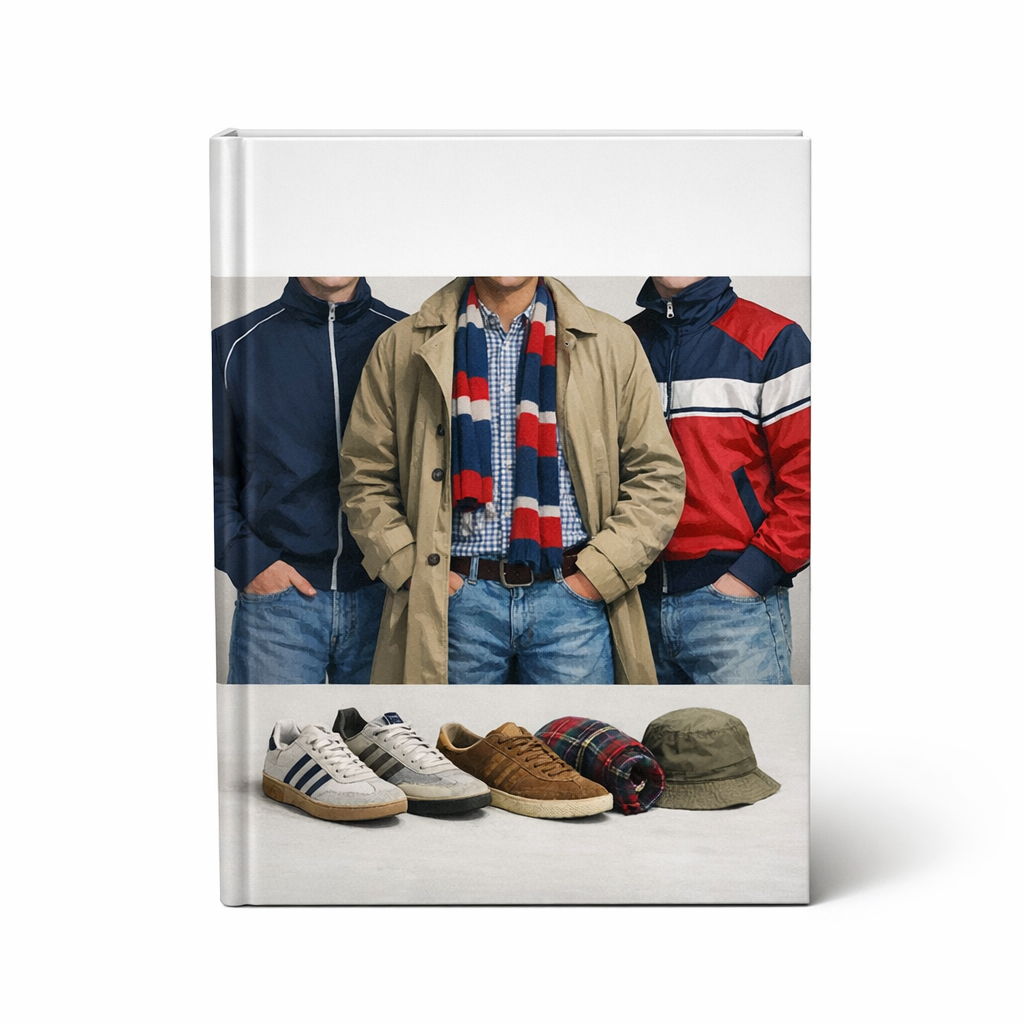
The Football Casuals: A History — Cass Pennant — book — Books on football casual culture, sportswear history, and style
A strong choice for readers who want terrace culture context before buying into the look
You might also like: Adidas Originals Trefoil T-Shirt review: Big-logo heritage, easy everyday wear.