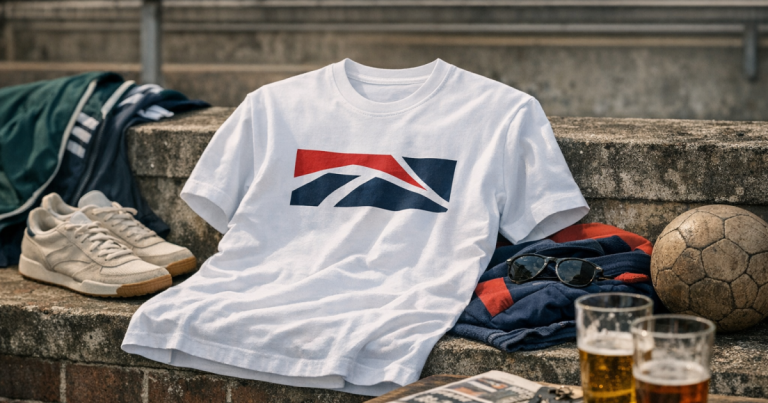
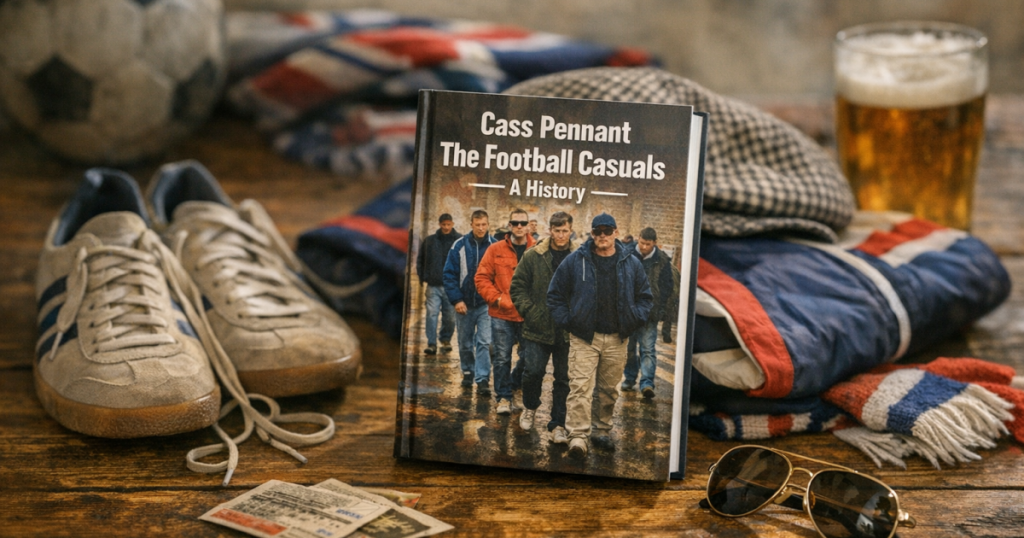
Any Cass Pennant The Football Casuals: A History review has to start with what the book is not: it is not a glossy lookbook, a brand catalogue, or a shortcut to dressing like someone stepped out of an archive photo. It is a culture book first, and that is exactly why it still matters to readers who want to understand the roots of terrace style before buying another track top.
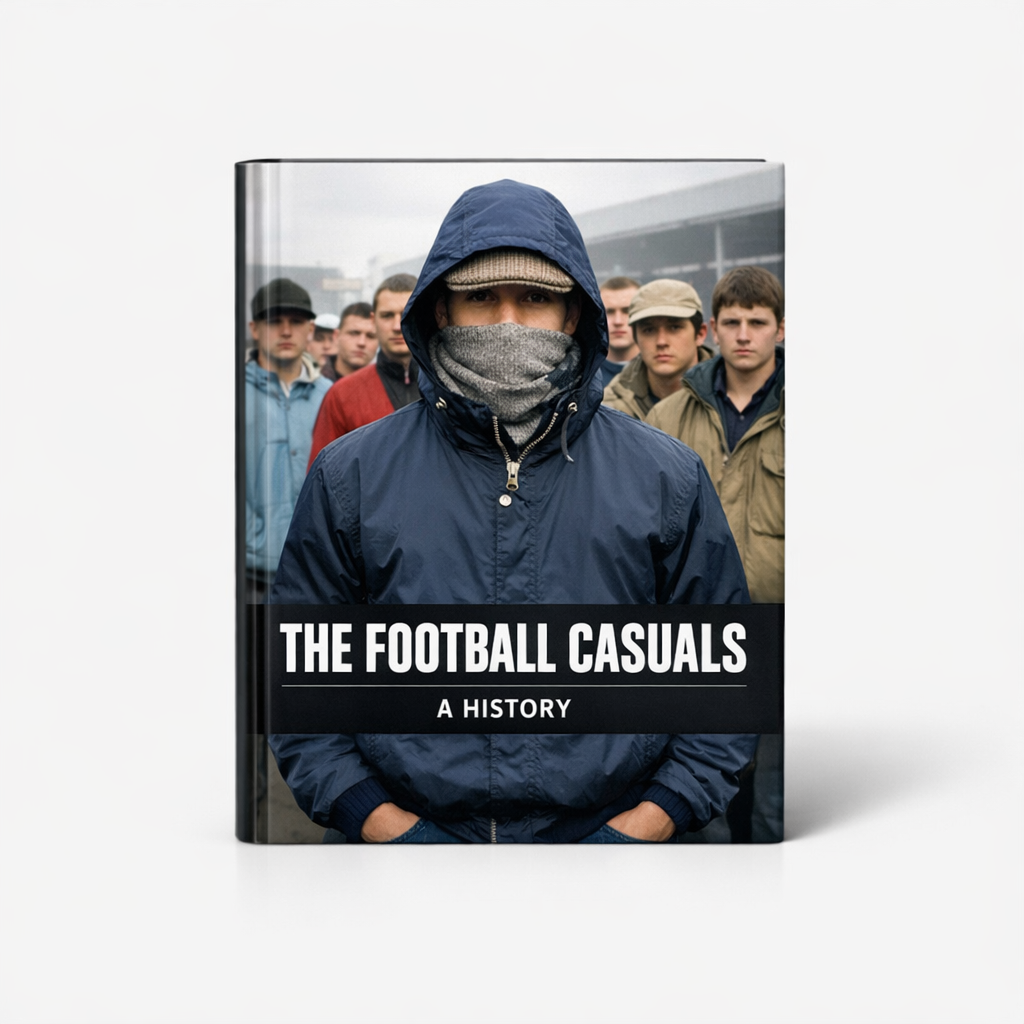
The Football Casuals: A History
The Football Casuals: A History is a very strong culture read for anyone who wants terrace style to feel informed rather than borrowed. Its main limitation is that it is not a practical buying manual, but that is also…
Quick verdict: Cass Pennant’s The Football Casuals: A History is a strong, readable entry point into football-casual culture, particularly for UK readers who want context rather than costume. It is best approached as a scene history and reference point, not as a modern shopping manual.
Product overview
The Football Casuals: A History is a book by Cass Pennant, a writer closely associated with British football, fan culture and the stories around the casual scene. For a retro sportswear audience, its value is less about telling you which exact jacket to buy and more about explaining why certain labels, silhouettes and details became loaded with meaning on British terraces.
The book sits in that important space between social history and style memory. It deals with football identity, status, travel, music, youth culture and the way sportswear shifted from training kit into a coded form of dress. That makes it especially useful if your interest in adidas Originals, Sergio Tacchini, Fila, Ellesse, Diadora or Lacoste Sport goes beyond colour blocking and logos.
Readers hoping for a neat decade-by-decade outfit planner may find it less direct. It is not a technical garment guide, and it should not be treated as a definitive authenticity checklist for vintage tracksuits. For that kind of practical follow-up, the site’s guide to reading sportswear history books for terrace outfit ideas is a better companion after you have absorbed the cultural background.
Key specs
- Product name: The Football Casuals: A History
- Author: Cass Pennant
- Product type: Physical book
- Main subject: British football-casual culture and its social history
- Best use: Understanding terrace style, fan culture and the background behind casual sportswear
- What to verify before buying: Edition, format, condition, cover version, seller photos, page count and whether the listing is new, used or collectible
- Availability note: Availability can vary by retailer and marketplace, so check current UK listings carefully before paying collector-level money
Pros and cons
Pros
- Strong cultural grounding: The book helps explain why casual style became a status language rather than just a clothing preference.
- Useful for modern wardrobe decisions: It gives context that can stop a terrace-inspired outfit from feeling like fancy dress.
- UK perspective feels central: The tone and subject matter sit naturally within British football culture rather than treating it as a vague global trend.
- Good bridge between history and clothing: Even when it is not talking directly about garments, it sharpens how you read brands, details and era references.
- Accessible entry point: You do not need to be an academic reader to get value from it.
Cons
- Not a pure style manual: Readers wanting outfit formulas, fit notes or current buying links will need supporting guides.
- Edition differences matter: Used copies can vary in condition, and listings may not always show enough photos.
- Some readers may want more visual reference: If photography is your priority, check the edition and preview details before buying.
- Culture can overshadow clothing specifics: The book is about the movement, not just the garments associated with it.
Performance in real use
As a read, The Football Casuals: A History works best when you treat it as background knowledge you can carry into other decisions: what to watch, what to buy, which reissues feel convincing, and which vintage pieces are being sold more on myth than merit. It is the kind of book that changes how you interpret a track jacket, rather than simply telling you whether a jacket is good.
The strongest performance area is context. A lot of modern terrace styling online can flatten the culture into a few repeated cues: three stripes, white trainers, a zipped track top, maybe a bit of swagger. Pennant’s book gives that look a social frame. It reminds you that casual style was tied to place, football travel, rivalry, class, aspiration and the thrill of finding something other people had not yet clocked.
That context is commercially useful without becoming shopping fluff. If you are looking at a Sergio Tacchini Damarindo Track Top, an adidas Firebird Track Top or a Fila Settanta Track Jacket, the book helps you ask better questions. Does the piece fit the era you are nodding to? Is the colourway doing too much? Are you buying something wearable, or are you buying a costume version of someone else’s memory?
For outfit building, the book rewards a slower approach. Read a chapter, then look again at your own wardrobe. You may find that a plain polo, clean trainers and a well-cut track top say more than a full matching set worn too literally. That is where the book has lasting value for this site’s audience: it encourages restraint, not just nostalgia.
There are limits. If you need precise sizing advice for vintage nylon or polyester sportswear, this is not the tool for the job. If you are trying to authenticate an adidas Originals track top from seller photos, you need a specific buying guide rather than a cultural history. The book will not settle whether a ribbed cuff has stretched, whether a label is period-correct, or whether a marketplace seller has photographed a flaw honestly.
Where it does help is in taste calibration. After reading it, you are less likely to treat every retro track top as equally meaningful. You start to notice why some pieces have a terrace feel and others simply borrow the colours. That makes the book useful even if you never quote it directly; it quietly improves your eye.
Who it’s best for / who should skip it
Best for: readers who want a grounded understanding of football-casual culture, especially those building a wardrobe around heritage sportswear rather than chasing random retro logos. It suits people who enjoy the link between clothing, football, music, film and street-level identity.
It is also a good fit if you already own or are considering archive-inspired pieces and want to avoid the costume trap. A reader choosing between a modern adidas Originals tracksuit, a vintage Sergio Tacchini top or a subtler polo-and-trainers combination will get more from the book than someone only looking for a list of current bargains.
Skip it if: you want a photo-heavy fashion book, a collector’s price guide, or a practical manual for buying used tracksuits online. It is also not the right first purchase if you need immediate help with measurements, condition checks, fabric care or spotting counterfeits.
If your main interest is the darker, dramatised side of football culture on screen, pair the book with the site’s The Firm BBC film review. The contrast is useful: one gives you the cultural history on the page, the other shows how terrace codes have been framed through British television drama.
Alternatives
If you want a more visual companion, A Casual Look: A Photodiary of the 1980s Casual, Terrace and Football Scene by Gavin Watson is worth comparing. It is a different kind of reference: more photographic, more immediate, and useful for studying posture, fit, haircuts, trainers and the small details that written histories can only describe.
The choice is not really either-or. Pennant gives you the narrative spine; Watson gives you visual texture. If you are serious about understanding terrace wear rather than just copying it, the two approaches complement each other well. Start with the one that matches how you learn: words and context first, or images and atmosphere first.
Things readers ask
Is The Football Casuals: A History mainly about clothes?
No. Clothing is part of the story, but the book is mainly about football-casual culture and the social world around it. That wider focus is what makes the style references more meaningful.
Will it help me choose a retro tracksuit?
Indirectly, yes. It will not give you a shopping list, but it helps you understand which brands, shapes and styling choices carry genuine terrace context.
Is it suitable for someone new to casual culture?
Yes, provided they want history rather than a quick outfit formula. It is accessible enough for newcomers but still relevant for readers who already know the broad story.
Should I buy new or used?
That depends on current availability and condition. For used copies, check seller photos, edition details, cover wear and whether the listing shows the actual book being sold.
Verdict + score
The Football Casuals: A History is a very strong culture read for anyone who wants terrace style to feel informed rather than borrowed. Its main limitation is that it is not a practical buying manual, but that is also part of its appeal: it gives you the context behind the clothes, then leaves you to apply it with taste. For readers of retro tracksuit culture, British football style and archive sportswear, it earns 8.8/10.
The Football Casuals: A History
The Football Casuals: A History is a very strong culture read for anyone who wants terrace style to feel informed rather than borrowed. Its main limitation is that it is not a practical buying manual, but that is also…
You might also like: Sergio Tacchini Damarindo Track Top review: terrace heritage without the costume feel.